


Dresdner Christstollen
SAXONY'S NO. 1 AMBASSADOR OF DELICIOUSNESS
Tradition, deliciousness, and lots of raisins
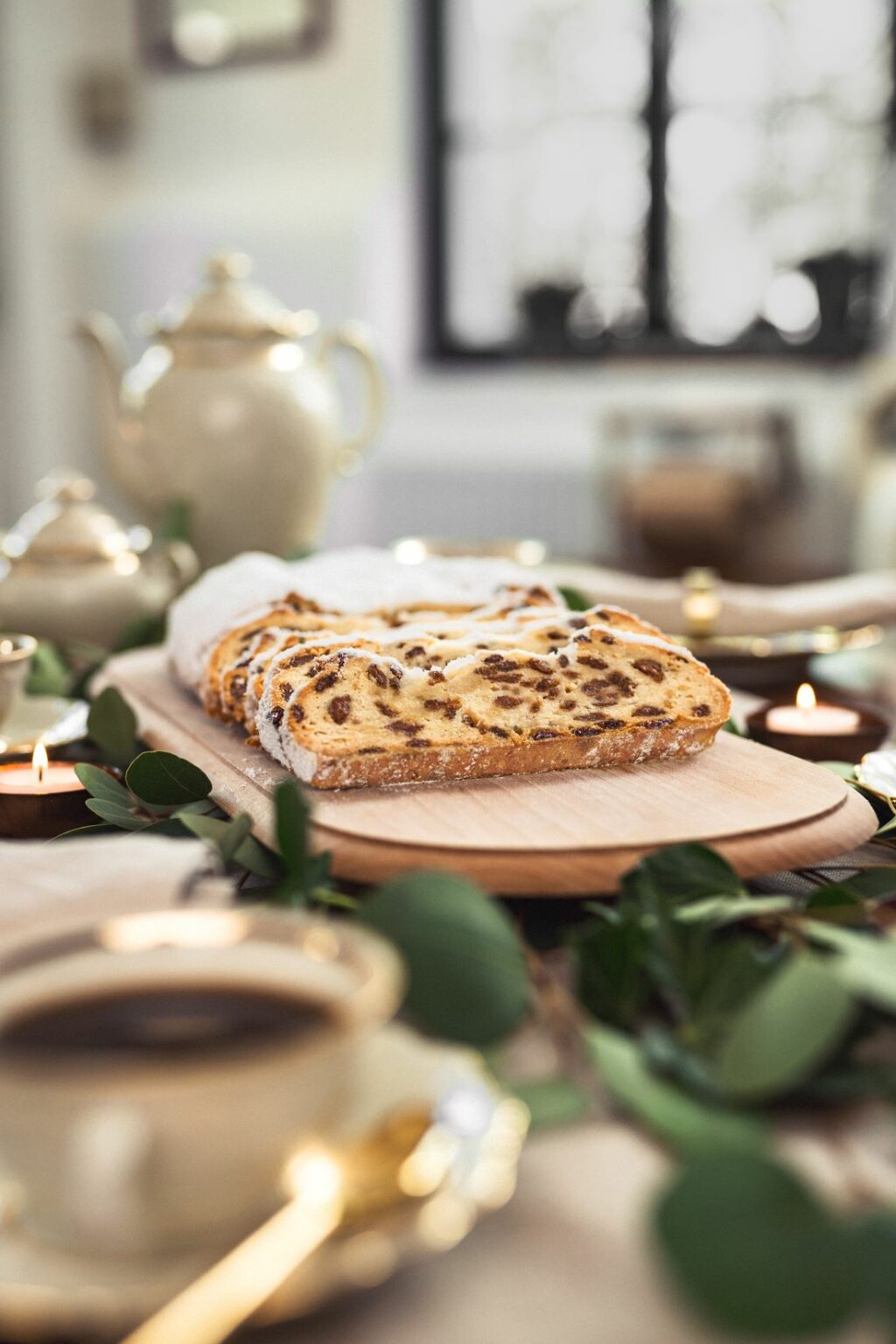
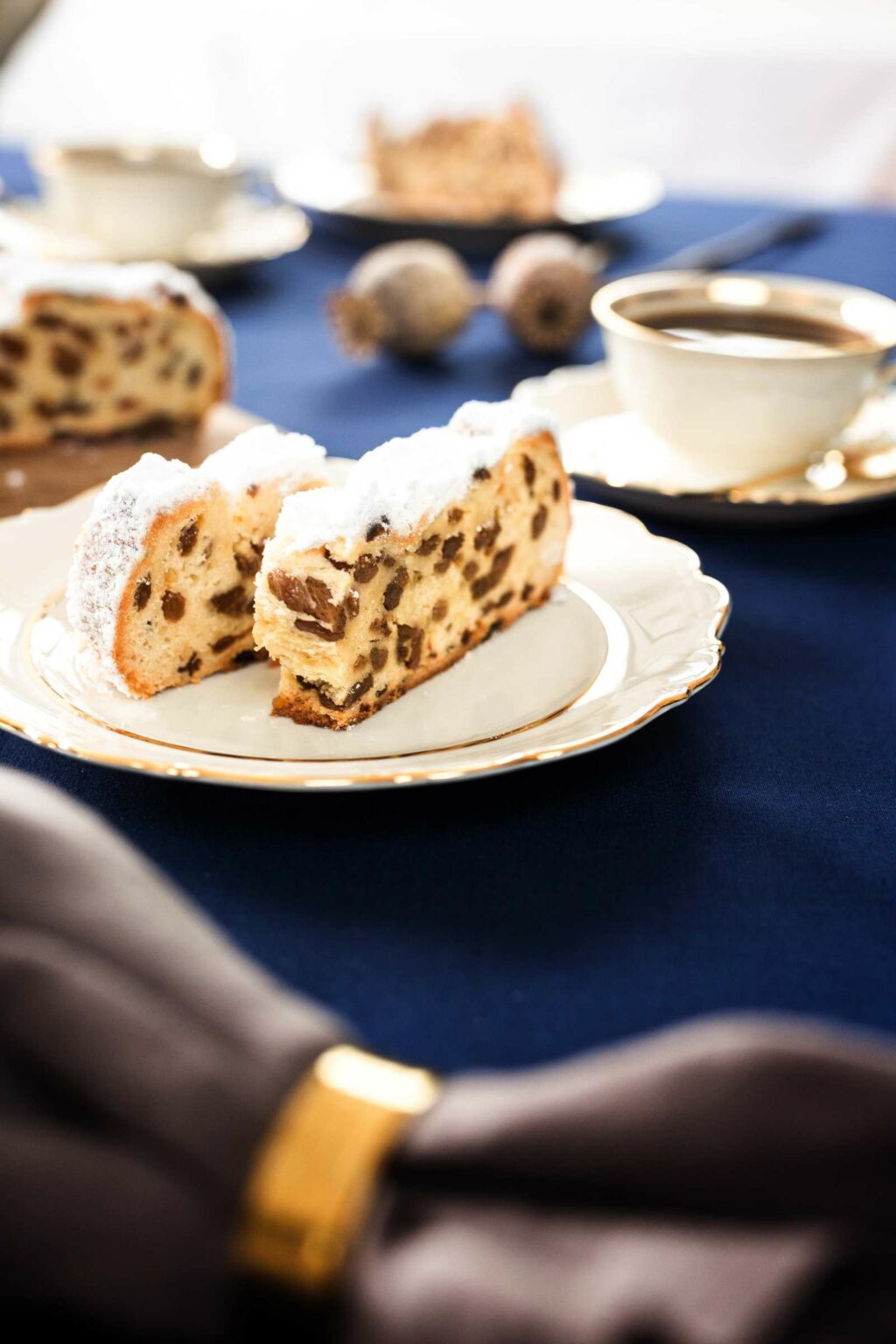
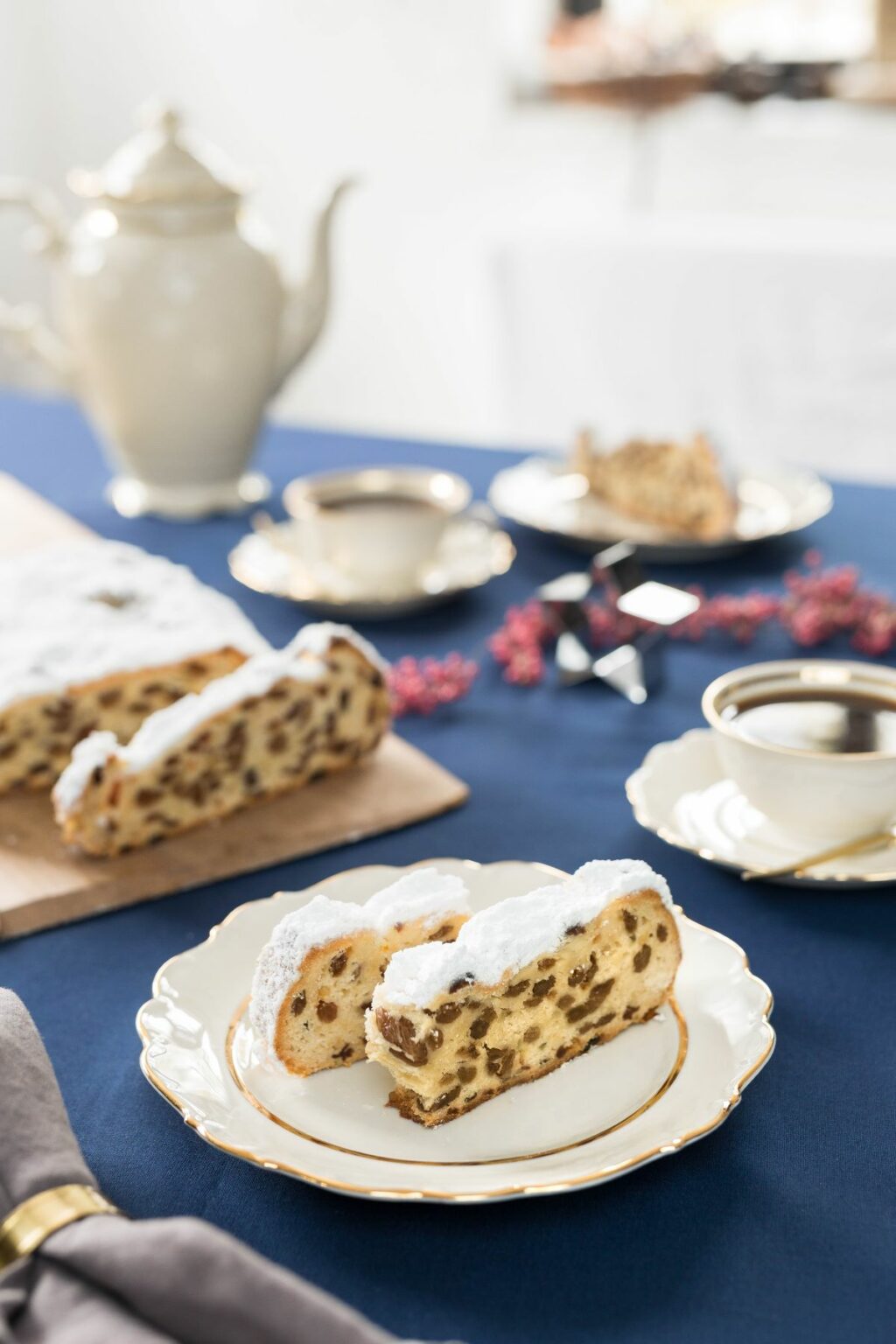
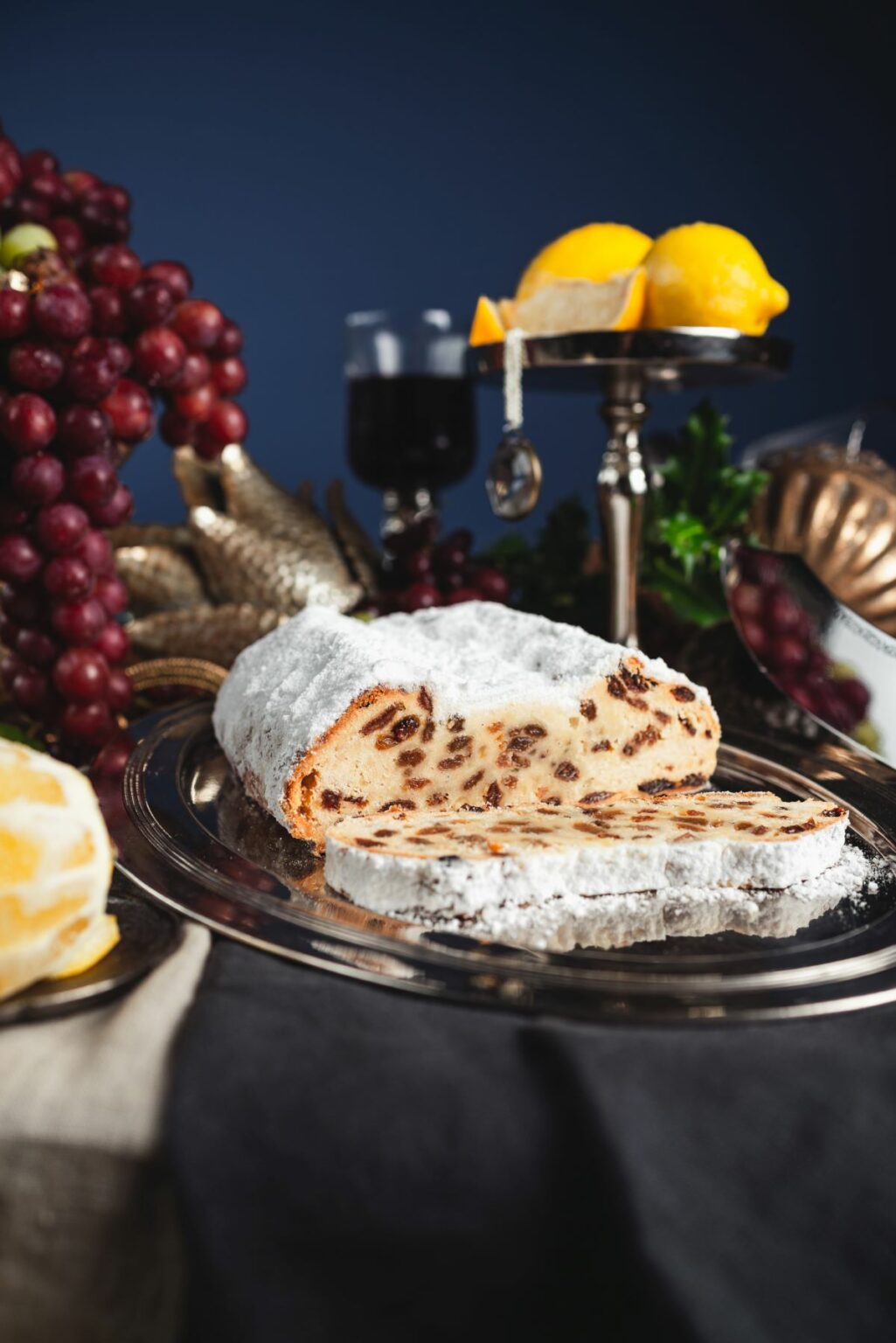
The Dresdner Christstollen is cultural history, a centuries-old baking tradition, a living passion, and above all, one thing: a supreme delicacy. For centuries, the bakers and confectioners of the Schutzverband Dresdner Stollen e. V. (Dresden Stollen Protective Association) have preserved their baking tradition and passed it down from generation to generation. This, together with the unique combination of exquisite ingredients, is the secret behind the unmistakable taste of Dresdner Christstollen.
Dresdner Christstollen is a raisin stollen. It can be recognized by its golden stollen seal and the EU seal, which distinguishes stollen from Dresden as a geographically protected designation of origin. Dresdner Christstollen is produced exclusively in bakeries and pastry shops in and around Dresden.
WHAT INGREDIENTS ARE USED IN DRESDEN STOLLEN?
All good things come in 15
Raisins or sultanas, butter & clarified butter, candied lemon peel & candied orange peel, sweet & bitter almonds characterize the unique taste of Dresdner Stollen. The dough also requires flour, milk, and yeast, as well as sugar, lemon zest, and, of course, the secret stollen spice, which can vary from each stollen bakery. Salt is mandatory, rum is optional. Powdered sugar gives Dresdner stollen its typical white appearance. The statutes of the Schutzverband Dresdner Stollen e. V. (Dresden Stollen Protective Association) specify the minimum quantities of ingredients. Above all, they clarify what is not allowed in Dresdner stollen: the addition of margarine, artificial flavors, and directly added additives is strictly prohibited.
HOW IS QUALITY MONITORED?
Checking it down to the last crumb and rasin: Certified quality
All manufacturers of Dresdner Christstollen are subject to mandatory annual testing. Starting in October, an independent committee of bakers, confectioners, and food industry experts convenes for this purpose. The sensory-trained experts evaluate the stollen according to binding criteria and a strict point system. A minimum of 16 points must be achieved, with a maximum of 20 points available.
Internal and external appearance, smell, taste: only stollen that meet the high quality requirements are allowed to bear the coveted stollen seal and be sold as Dresdner Christstollen.
WHY IS EVERY DRESDNER CHRISTMAS STOLLEN UNIQUE?
100 secrets of enjoyment in the land of stollen
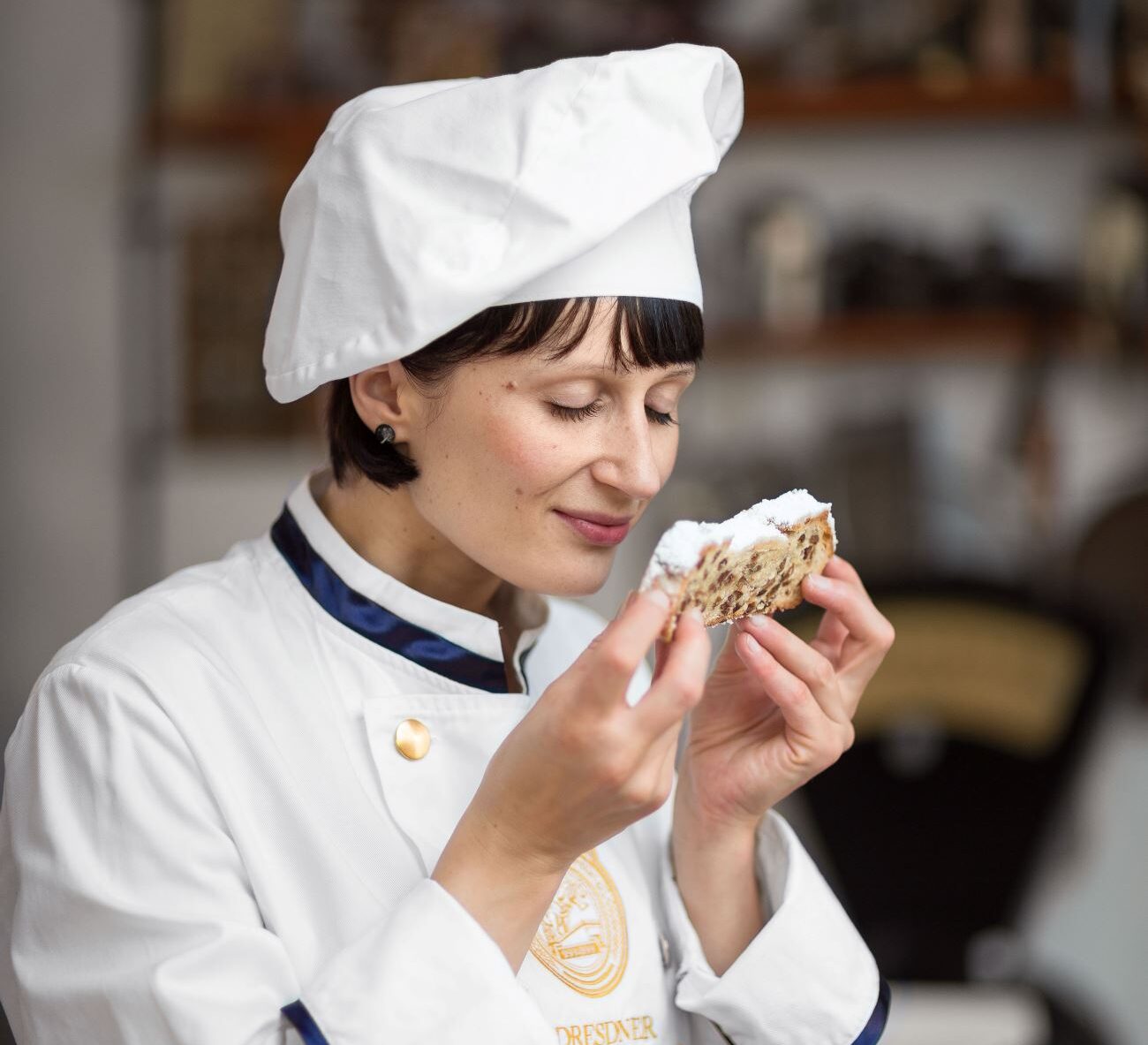
Like no other product, Dresdner Christstollen combines craftsmanship, passion, and centuries of tradition. But even though the ingredients are strictly defined, there are at least 100 secrets surrounding this Christmas pastry: Every baker gives their Dresdner stollen a very personal touch—with a special spice mixture, for example, with a few extra raisins, or by double buttering after baking. It is precisely these nuances that make every Dresdner Christstollen unique and distinguish every Dresdner stollen baker as a stollen sommelier.
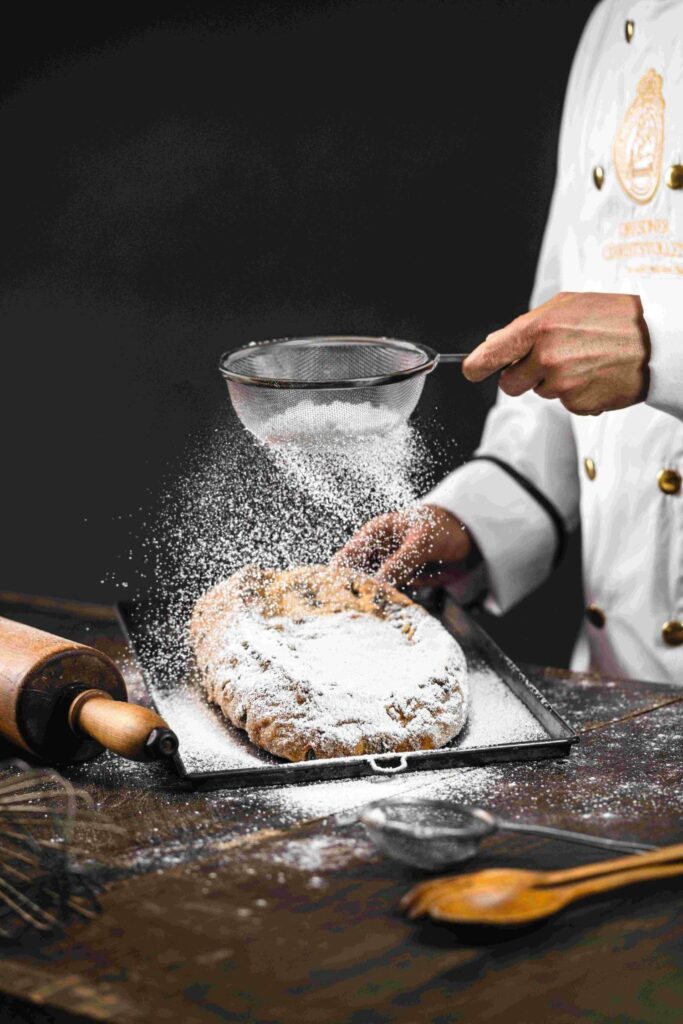
How is a Dresdner Christstollen baked?
REAL #POWDEREDSUGARMOMENTS
Tradition dusted off and presented in a modern way
The Schutzverband Dresdner Stollen e. V. (Dresden Stollen Protective Association) brings people together and ensures that the brand is constantly being presented in new and exciting ways. With extraordinary campaigns and events, such as the Dresdner Stollenfest or the Schaubackstube at the Striezelmarkt, Dresden’s stollen bakers transport visitors into the unique world of their Dresdner Christstollen. This turns tradition and craftsmanship into an experience and the brand into a globally renowned ambassador of enjoyment. The stollen bakers’ craft is just as authentic as their product. As an established Christmas ritual, the brand provides stability and confidence in an increasingly complex world, awakening a feeling of togetherness and connection.
WHY IS THE DRESDNER STOLLEN ALWAYS WORTH A TRIP?
Welcome to the stollen capital
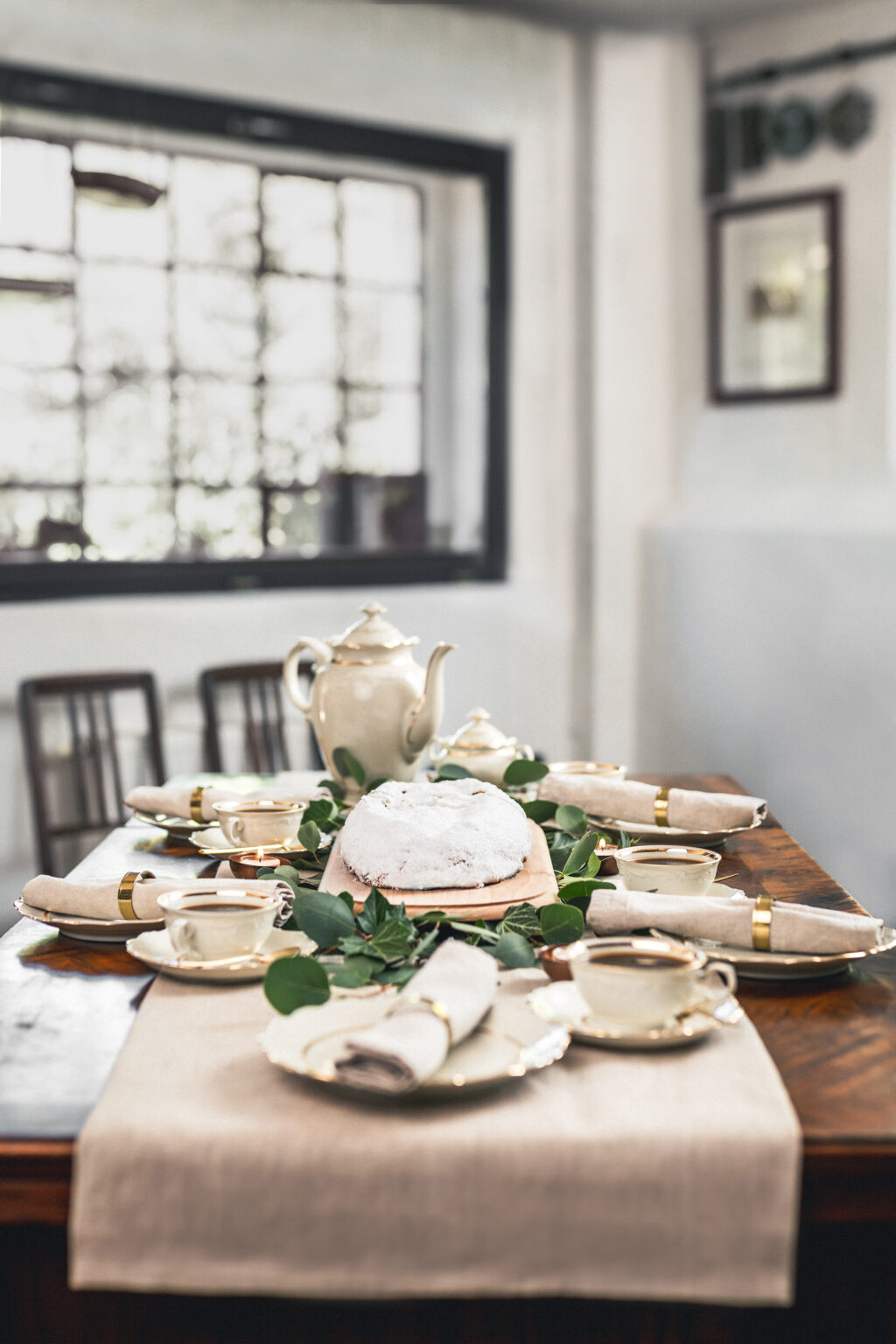
Stollen capital – Dresden truly deserves this name! Anyone visiting the Saxon capital from the end of November to December will certainly notice one thing: Dresdner Christstollen is an experience for all the senses. Whether in cafés and restaurants, in bakeries or museums, on city tours or at the venerable Dresdner Striezelmarkt – everywhere you go, you will encounter the city’s most famous product and its eventful history.
With activities that go far beyond simply enjoying the cake, Dresden’s stollen bakers succeed in bringing craftsmanship and tradition to life and thus preserving them. Want to bake your own stollen? That’s possible too. Some Dresdner stollen bakeries offer baking courses. There you’ll find true #powdersugarmoments for your happiness account!

THE HISTORY OF STOLLEN
A treat for the people and princes
Dresdner Christstollen is inextricably linked to the history of the cultural city of Dresden. Whether kings, princes, or the citizens of Dresden: this traditional Dresden pastry has played a prominent role throughout the city’s history – thats why the history of stollen is also part of Dresden’s cultural history.
The stollen as a medieval fasting pastry.
The Dresdner Christstollen was first mentioned in a document in 1474 on an invoice from the Christian Bartolomai Hospital. However, at that time, it was not yet considered a Christmas delicacy: the medieval fasting pastry consisted only of flour, yeast, and water. In keeping with the spirit of abstinence, the Catholic Church did not allow butter or milk.
The Butterbrief.
However, as the Saxons had always been a nation of gourmets, Elector Ernst of Saxony and his brother Albrecht asked Pope Innocent VIII to lift the ban on butter. The Holy Father granted their request and sent the “Butterbrief” to the royal city in 1491. From then on, stollen bakers were allowed to use more substantial ingredients.
Royal enjoyment.
The Dresdner stollen gained its reputation as a royal pastry in 1560. Traditionally, Dresdner stollen bakers presented their sovereign with one or two Christmas stollen during the holy festival. In a ceremony, the 36-pound pastry was carried through the city to the castle by eight master bakers and eight journeymen.
Elector Augustus' giant stollen.
Even Saxony’s most famous elector, Augustus the Strong, publicly declared himself a true stollen lover. On the occasion of the Zeithain pleasure camp in 1730, he had the Dresdner bakers’ guild bake a giant stollen – his own: around 100 bakers and journeymen used 3,600 eggs, 326 jugs of milk, and 20 hundredweight of wheat flour to make a giant stollen weighing around 1.8 tons. And even though this oversized stollen was baked in June with eggs, which are not typical for stollen, it is still considered the baroque precursor of today’s Dresdner Christstollen. The Dresdner Stollenfest, which takes place every year on the Saturday before the second Sunday in Advent, still commemorates Elector Augustus’ giant stollen.
Dresdner stollen today.
The Dresdner Christstollen has been baked in its current form since the 20th century. Only high-quality, select ingredients are used. The Schutzverband Dresdner Stollen e.V. (Dresdner Stollen Protective Association) is responsible for protecting the brand and tradition of the Dresdner Christstollen. The Dresdner Christstollen has been protected by trademark law for decades.
WELCHE ZUTATEN KOMMEN IN DEN DRESDNER STOLLEN?
Aller guten Dinge sind 15
Rosinen beziehungsweise Sultaninen, Butter & Butterschmalz, Zitronat & Orangeat, süße & bittere Mandeln prägen den einzigartigen Geschmack des Dresdner Stollens. Für den Teig braucht es zudem Mehl, Milch und Hefe sowie Zucker, Zitronenschalenpaste und natürlich das geheime Stollengewürz, das von Stollenbackstube zu Stollenbackstube variieren kann. Salz nicht vergessen! Sein typisches weißes Antlitz verleiht dem Dresdner Stollen der Puderzucker. Die Satzung des Schutzverbandes Dresdner Stollen e. V. schreibt die Ingredienzien im Rahmen von Mindestmengenangaben vor. Und klärt vor allem, was nicht in den Dresdner Stollen darf: Strikt verboten ist die Zugabe von Margarine, künstlich hergestellter Aromen und direkt zugegebener Zusatzstoffe.
